Revitalize Your Outdoor Oasis: Expert Tips for Patio Repair
Patios can be the perfect retreat for outdoor relaxation, but over time, they can fall victim to cracks, sinking areas, and drainage issues. Many homeowners and hospitality managers alike face these challenges, struggling to maintain the aesthetic and functional aspects of their outdoor spaces. What if you could tackle these common issues with practical solutions that not only restore your patio but also enhance its longevity? This guide brings you seven essential tips to help you repair and maintain your patio effectively.
Understanding the nature of your patio issues is the first step toward effective repair. Factors such as weather conditions, soil movement, and poor drainage can lead to significant damage over time. Each of these issues requires a tailored approach to ensure that repairs are both effective and long-lasting. By familiarizing yourself with these solutions, you can save time and money while creating a welcoming environment for yourself and your guests.
In this article, we will explore various methods and techniques that can help you address cracks, sinking areas, and drainage problems in your patio. Whether you're a DIY enthusiast or a novice looking for guidance, these tips will provide you with the knowledge and confidence to tackle your patio repair projects. Let’s delve into the specifics of patio maintenance and repair, ensuring your outdoor space remains a beautiful and functional part of your home.
Identifying Common Patio Issues
The first step in any repair process is accurately identifying the problems at hand. Patios often suffer from a variety of issues, including cracks, uneven surfaces, and drainage problems. Cracks can appear due to temperature changes, settling soil, or even heavy foot traffic. On the other hand, sinking areas might indicate more severe structural problems that need immediate attention. Recognizing these signs early allows for timely repairs, preventing further damage.
patio cleaning guideAdditionally, drainage issues can lead to water pooling on your patio, creating an unsightly and potentially hazardous environment. This can be especially problematic during heavy rains, where excess water can erode the surface or cause further structural damage. Keeping an eye out for these signs can save you from costly repairs in the future.
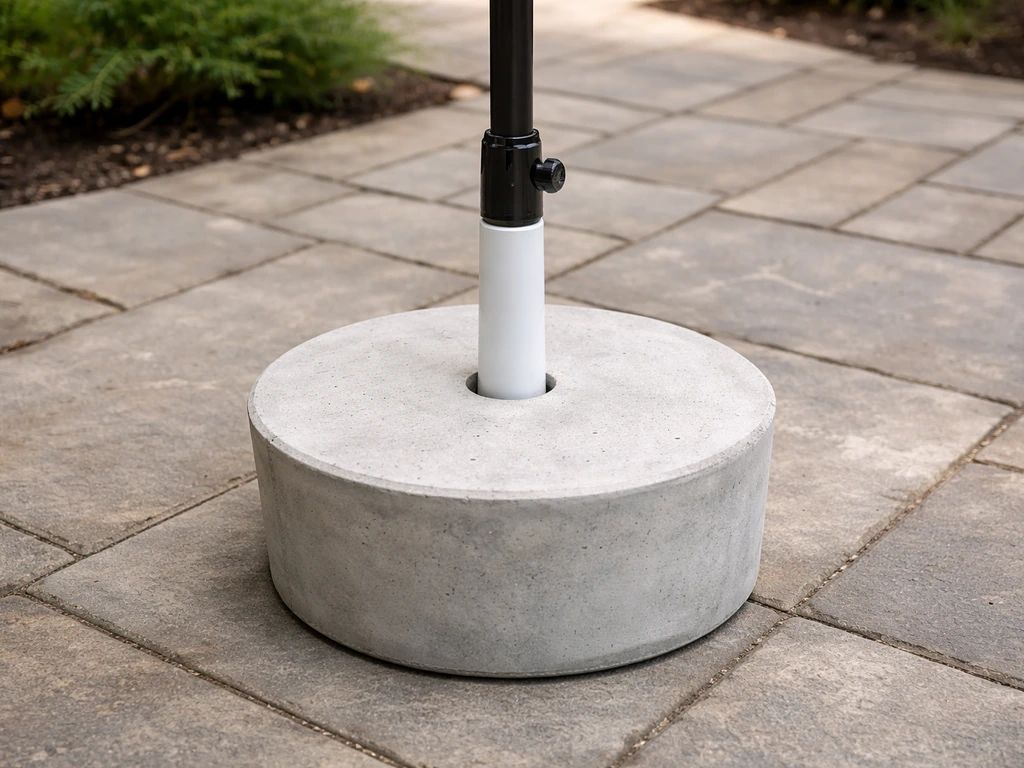
Once you’ve identified the specific problems affecting your patio, you can move on to the repair phase. It's essential to gather the right tools and materials before you begin. Depending on the issues at hand, you might need concrete mix, patching compounds, or drainage solutions. Having these readily available will streamline the process and ensure that you are well-prepared to tackle any repair.
fix broken patioUnderstanding Cracks: Causes and Solutions
Cracks in your patio can range from small, hairline fissures to larger, more destructive breaks. Understanding what causes these cracks is crucial for developing effective repair strategies. Many times, cracks occur due to temperature fluctuations, where the material expands and contracts, leading to stress on the surface. Moreover, tree roots or shifting soil can also contribute to these unsightly blemishes.
To repair cracks, a simple approach involves cleaning the damaged area thoroughly. Use a wire brush to remove loose debris and a vacuum to clear out any dust. Next, apply a suitable concrete patch or filler that matches the color and texture of your patio. For deeper cracks, it might be necessary to use a concrete bonding agent to ensure a secure fix. Once repaired, allow the area to cure properly before using it again.
Addressing Sinking Areas: Practical Techniques
Sinking areas can compromise the integrity of your patio and create tripping hazards. This issue often arises from inadequate base preparation during the initial installation or due to soil erosion. To address sinking, first assess the extent of the issue. If the sunken area is minor, you may be able to raise it by adding a layer of sand or gravel beneath the surface. This method involves lifting the affected slabs and filling in the gaps, then resetting them to a level position.
For more significant issues, you might need to consider re-leveling the entire patio. This process can be labor-intensive but is often necessary for long-term stability. If you're unsure, consulting with a professional can provide insights specific to your situation, ensuring you choose the best path forward.
Improving Patio Drainage: Key Steps
Ensuring proper drainage is vital for the longevity of your patio. Poor drainage can lead to water accumulation, which not only damages the surface but can also encourage mold and mildew growth. To improve drainage, start by examining the slope of your patio. Ideally, the patio should slope away from your home to direct water flow away from the foundation.
If you find that your patio is flat or sloped toward your home, consider re-grading the surface. This may involve removing the existing surface material, adjusting the foundation, and then replacing the patio with the correct slope. Additionally, incorporating drainage solutions such as trenches or French drains can help manage excess water effectively, preventing future problems.
Preventative Measures for Long-Term Care
After addressing immediate repair needs, taking preventive measures can help maintain the integrity of your patio. Regular inspections are essential to catch any new issues before they escalate. Look for signs of wear and tear, such as new cracks forming or areas that seem to sink or shift. Conducting seasonal checks can ensure that your patio remains in good condition year-round.
Cleaning your patio regularly is another crucial aspect of maintenance. Debris, dirt, and leaves can trap moisture, leading to mold growth and other damage. A simple power wash or scrub with a suitable cleaner can help keep your patio looking fresh and new. Additionally, sealing the surface can provide an extra layer of protection against the elements, making it more resilient to wear.
When to Seek Professional Help
While many patio repairs can be tackled by DIY enthusiasts, there are times when seeking professional assistance is the best option. If you encounter significant structural issues or if the repairs require specialized knowledge, hiring a contractor may save you time and frustration. A professional can provide a comprehensive assessment and recommend the best solutions tailored to your specific needs.
Additionally, if your patio is part of a larger outdoor living space, it may be beneficial to engage a landscape architect. They can help design a cohesive outdoor environment, ensuring that your patio integrates well with other features such as gardens, pathways, and seating areas. Their expertise can elevate your outdoor space, making it not only functional but also aesthetically pleasing.
Budget-Friendly Repair Solutions
Repairing your patio doesn’t have to break the bank. There are numerous budget-friendly solutions that you can implement without sacrificing quality. For instance, using leftover materials from previous projects can save you money on new supplies. When repairing cracks, consider using a DIY concrete mix, which is often cheaper than pre-mixed options.

Another cost-effective solution is to engage in community workshops or online tutorials that offer step-by-step guidance on patio repairs. Many local hardware stores or community centers offer classes that teach essential skills, allowing you to tackle repairs confidently. Investing time in learning these skills can pay off in the long run, as you’ll be able to manage future repairs without additional costs.
Table of Common Patio Repair Costs
| Repair Type | Average Cost | Time Required |
|---|---|---|
| Crack Repair | $50 - $200 | 1-2 hours |
| Sinking Area Repair | $200 - $600 | 3-5 hours |
| Drainage Installation | $500 - $1500 | 1-2 days |
| Power Washing | $100 - $300 | 1-2 hours |
| Sealing Surface | $150 - $400 | 1-2 hours |
This table provides a quick reference for typical costs associated with various patio repairs. Understanding these costs can help you budget appropriately and decide whether to tackle the repairs yourself or hire a professional.
Pros and Cons
- Pros:
- Cost-Effective Solutions: Many repairs can be managed without hiring professionals, saving money.
- Increased Property Value: Well-maintained patios can enhance the overall value of your home.
- Improved Safety: Addressing cracks and sinking areas reduces the risk of injuries from trips and falls.
- Enhanced Aesthetics: Regular maintenance keeps your outdoor space looking attractive and inviting.
- Cons:
- Time-Consuming: Some repairs, especially if extensive, can require significant time and effort.
- Skill Level Required: Not all repairs can be tackled by beginners; some may need professional expertise.
- Potential for Rework: Poorly done repairs can lead to further damage if not executed correctly.
While there are clear benefits to DIY patio repair, it's essential to weigh these against the potential drawbacks. By understanding both sides, you can make informed decisions that best suit your needs and capabilities.
Frequently Asked Questions
- What materials are best for patio crack repairs?
Common materials include concrete patching compounds, epoxy fillers, and polyurethane caulks. Each material has its unique properties, so choose one based on the crack size and location.
- How can I tell if my patio needs professional help?
If you notice significant sinking, extensive cracking, or drainage issues that seem beyond your ability to fix, it’s wise to consult a professional for an assessment.
- What is the best way to prevent patio damage?
Regular maintenance, including cleaning, sealing, and inspecting your patio can help prevent damage from environmental elements and wear over time.
- Can I repair a sinking patio myself?
Yes, minor sinking issues can often be fixed by adding gravel or sand beneath the surface. However, significant sinking may require professional intervention.
- How often should I seal my patio?
It’s recommended to seal your patio every 1-3 years, depending on the material and the amount of wear it experiences. patio cleaner reviews
- What tools do I need for basic patio repairs?
Basic tools include a trowel, wire brush, power washer, concrete mix, and a level to ensure proper alignment during repairs.
- Is it worth investing in a professional patio installation?
Investing in a professional installation can lead to a longer-lasting, more durable patio. Their expertise often pays off in the form of fewer repairs down the line.
Conclusion
Repairing and maintaining your patio doesn’t have to be an overwhelming task. Armed with the right knowledge and tools, you can effectively address common issues such as cracks, sinking areas, and drainage problems. By implementing the tips outlined in this guide, you can enhance the usability and appeal of your outdoor space. Remember to conduct regular inspections and take preventive measures to prolong the life of your patio. Whether you choose to tackle repairs yourself or enlist the help of professionals, your outdoor oasis can continue to be a source of enjoyment for years to come.

